

In industrial and commercial construction, small issues can quickly turn into major delays. Tight schedules, shifting equipment needs, and miscommunication between trades often lead to costly change orders. When electrical systems are involved, those changes can impact inspections, startup timelines, and overall project momentum. That is why many owners turn to experienced design-build electrical contractors to improve coordination and control throughout the process.
The strength of design-build electrical lies in early involvement. Instead of separating design from installation, the same team collaborates from the start. Engineers and field professionals work together to make practical decisions based on real site conditions, accurate budgets, and realistic timelines.
By identifying challenges early and aligning planning with execution, projects move more smoothly with fewer surprises. For industrial and commercial facilities, that streamlined approach helps reduce change orders, protect schedules, and keep construction moving forward with confidence.
What Is Design-Build Electrical?
Traditional projects typically follow a linear path. The process begins with an engineer designing the system. Next, the plans go out for bid, and a contractor is selected, before construction begins. If issues arise in the field, revisions and change orders follow.
In design-build projects, the contractor works collaboratively on engineering, budgeting, and installation planning during the design phase. Instead of reacting to plans that may not fully reflect real-world jobsite conditions, the team builds the system with constructability in mind from day one.
This integrated approach is a core part of modern design-build construction and has become increasingly popular for commercial and industrial projects where timelines and operational efficiency matter.
Why Change Orders Happen
To understand the value of design-build, it helps to understand why change orders occur in the first place.
Common causes include:
- Incomplete or unclear electrical drawings
- Load calculations that do not match actual equipment needs
- Space conflicts between electrical systems and mechanical or structural components
- Budget assumptions that do not reflect real material or labor costs
- Late equipment changes from owners or vendors
When electrical contractors are brought in after design is finalized, they may discover practical issues that require modifications. Each adjustment adds time and cost.
In active industrial environments, those delays can affect production schedules, tenant move-ins, and revenue timelines.
Early Coordination Prevents Costly Rework
One of the biggest advantages of working with design-build electrical contractors is the early coordination they provide.
When the electrical team is involved during planning, they can:
- Verify load requirements before equipment is ordered
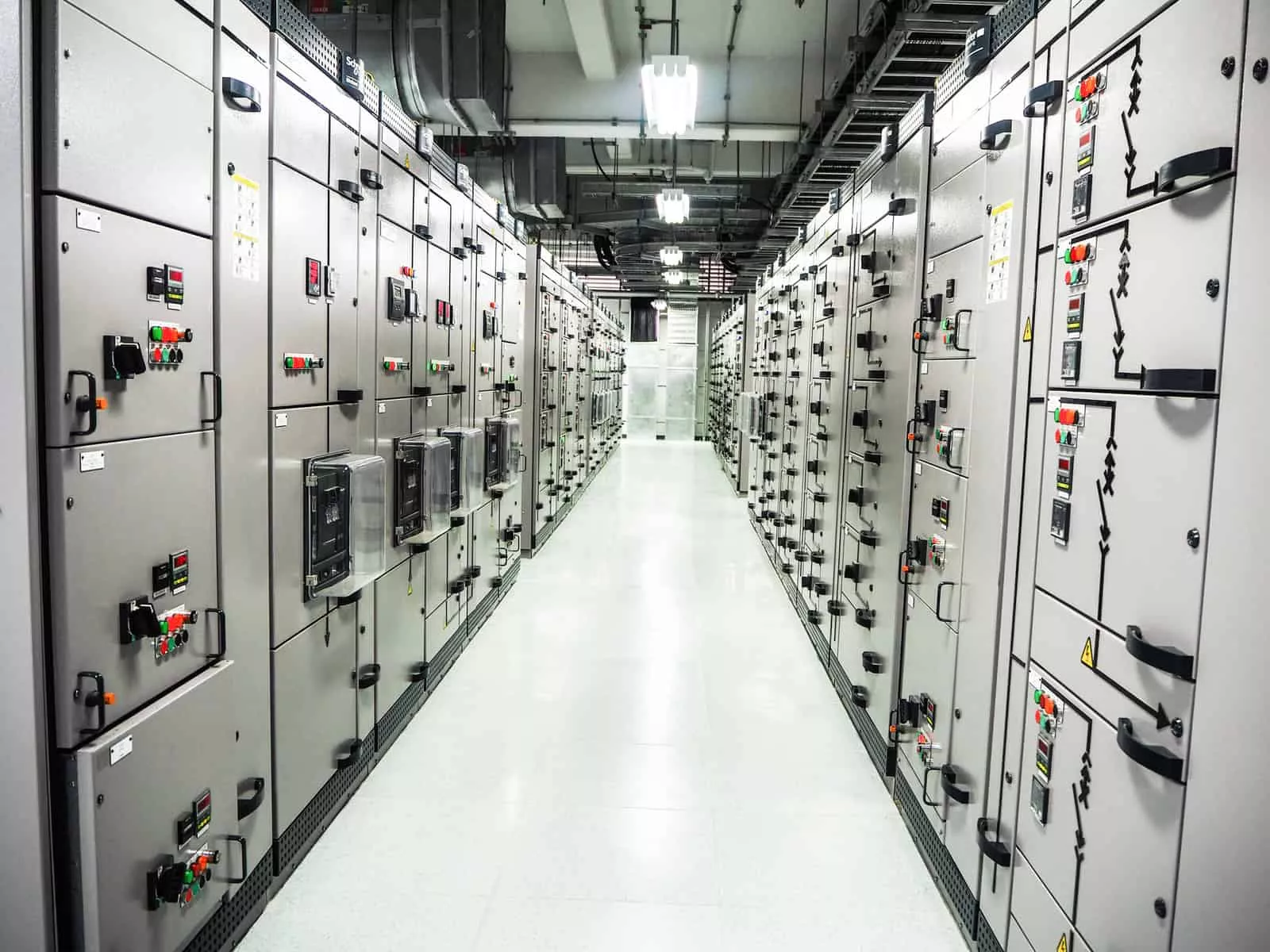
- Plan switchgear and panel locations around real-world space constraints
- Coordinate conduit routing with structural and mechanical systems
- Identify long-lead materials early
- Provide accurate budgeting based on current market conditions
This level of collaboration reduces the guesswork that often leads to mid-project adjustments.
For example, in an industrial facility, proper placement of motor control centers and distribution equipment can prevent conflicts with production layout. In commercial builds, early lighting and panel planning can streamline inspections and avoid ceiling redesigns later.
Real-Time Budget Alignment
Another reason change orders occur is budget misalignment. Electrical systems in industrial environments are complex. Power distribution, automation infrastructure, emergency systems, and specialty equipment all add layers of cost.
In design-build construction projects, budgeting and engineering move together. Instead of designing first and pricing later, the project is shaped around realistic financial parameters from the start.
If a system exceeds the budget, adjustments can be made during design rather than during installation. That level of control and predictability protects both the schedule and the owner’s expectations.
Faster Decision-Making
Traditional project delivery often creates communication gaps. Designers, contractors, and owners may operate separately, which slows decision-making when questions arise.
Design-build reduces those barriers. With engineers and installers working under one team, questions about equipment sizing, routing, or specifications can be resolved quickly.
In industrial settings where timelines are tight, responsiveness can prevent delays that might otherwise cost days or even weeks. Decisions happen in real time instead of through extended back-and-forth communication.
Improved Schedule Control
Industrial and commercial projects often operate on strict timelines. Tenants have move-in dates, and production facilities have launch deadlines. When delays occur, revenue and customer commitments are often affected.
Because design-build electrical integrates planning and execution, project schedules become more predictable and easier to manage.
- Procurement of major equipment, such as switchgear, transformers, and generators, can begin earlier.
- Long-lead items are identified sooner, reducing the risk of unexpected delays.
- Installation sequencing is coordinated alongside other trades from the start.
When the electrical contractor understands both the design intent and the field logistics, coordination improves across the entire jobsite.
Better Constructability
Designing a system on paper is one thing. Installing it in a real facility with structural constraints, ceiling heights, and active operations is another.
Experienced design-build electrical contractors bring field insight into the design process. They understand how conduit runs impact other trades, how panel access requirements affect layout, and how maintenance teams will interact with equipment long term.
This practical perspective reduces redesign and ensures systems are not only compliant but functional and serviceable.
Stronger Accountability
On many traditional projects, the design and installation teams are separate. When problems arise, the focus can shift to determining responsibility rather than solving the issue. That kind of dynamic can slow things down and add frustration for everyone involved.
With design-build, the lines are clearer. The same team that helped design the system is the one installing it. There is no disconnect between what was drawn on paper and what is happening in the field. That shared responsibility encourages quicker solutions and more direct communication.
For owners, it also means having a single reliable point of contact who understands the full scope of the project from the first planning meeting through the final inspection.
Is Design-Build Right for Every Project?
Not every project requires a design-build approach. However, for industrial and commercial facilities with complex electrical demands, tight schedules, or phased construction, the benefits are significant.
Projects that often benefit include:
- Manufacturing facilities
- Warehouses and distribution centers
- Commercial tenant build-outs
- Energy and utility infrastructure
- Large-scale renovations and expansions
When electrical systems play a critical role in operations, early integration makes a measurable difference.
A Smarter Approach to Industrial and Commercial Electrical
Electrical systems should never be an afterthought. In industrial and commercial projects, they directly impact safety, production timelines, efficiency, and your facility’s ability to grow in the future.
When you partner with experienced design-build electrical contractors like Martin Electrical Systems, you reduce uncertainty from the start. Questions are resolved early, challenges are addressed before crews mobilize, and change orders become far less frequent. With engineering and installation aligned under one team, coordination improves, budgets stay realistic, and schedules are protected.
If you are planning a new build, expansion, or major renovation, now is the time to take a proactive approach.
Contact our team to discuss how design-build electrical can streamline your project, reduce delays, and keep your construction moving forward with confidence.
