

Warehouse construction has evolved rapidly over the past decade. Facilities are no longer just large storage spaces. They serve as distribution hubs, manufacturing support centers, e-commerce fulfillment operations, and logistics command posts. As a result, new construction electrical planning needs to evolve with them, supporting productivity, safety, and long-term scalability.
When electrical systems are designed correctly from the beginning, warehouse owners avoid costly retrofits, downtime, and operational bottlenecks later. Partnering with an experienced new construction electrician ensures the facility is built with both current performance needs and future expansion in mind.
Why Electrical Planning Matters in Warehouse Construction
In a warehouse, electricity powers nearly every core operation. It keeps conveyor belts moving, powers automated racking systems, runs HVAC units, supports security systems, and keeps dock equipment and inventory technology online. Without a solid electrical plan, daily operations can quickly become frustrating and expensive.
When electrical systems are not properly thought through, problems tend to show up quickly. Panels get overloaded, lighting feels dim in critical areas, there is no room to add new equipment, and expansion becomes complicated and disruptive. These issues are avoidable when electrical planning is done early, with real-world operations in mind.
A well-planned system allows for smoother workflows, creates safer working conditions, reduces energy costs, and puts less strain on maintenance teams. Most importantly, it gives the business room to grow. Electrical planning should be part of the conversation from day one, not something that gets finalized after the building is already taking shape.
Power Distribution: Getting It Right From the Start
Effective power distribution requires a system designed to deliver stable, reliable power to every operational area and piece of equipment throughout the facility. Before installation begins, several key factors must be considered during the design phase to ensure the system can meet both current demands and future expansion.
Load Calculations and Capacity Planning
Electrical demand varies widely between warehouses, depending on whether the facility relies on automation, refrigeration systems, robotic picking equipment, or charging infrastructure for electric forklifts and fleet vehicles. These systems draw serious power, and that needs to be factored in carefully.
An experienced new-construction electrician looks at the big picture. That includes:
- The total connected load
- How power usage spikes during peak hours
- The extra surge required when equipment starts up
- Whether backup capacity is necessary for critical systems
Building in a bit of extra capacity during construction is usually far more affordable than upgrading major components later. Expanding switchgear or increasing service size after the facility is operational can be disruptive and costly.
Service Entrance and Switchgear
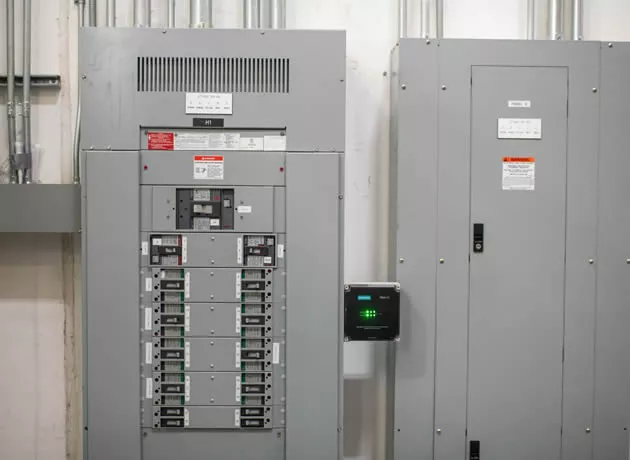
Large warehouses typically require heavy-duty service entrances and industrial-grade switchgear. These components need to be sized appropriately from the beginning to avoid limitations down the road.
Leaving room in panels for future breakers and circuits may not seem urgent during construction, but it becomes incredibly valuable when operations expand. Strategic placement of electrical rooms and distribution panels also makes maintenance easier and helps reduce voltage drop across long cable runs.
Zoning and Flexibility
Warehouse layouts often change over time, as racking systems are reconfigured, production lines move, and packaging or fulfillment areas expand to meet operational demands.
Designing the electrical system in zones allows sections of the building to be modified without shutting down the entire facility. In addition, distributed panels and strategic circuit layouts make it much easier to adapt when operations evolve.
This type of future-focused design can save significant time, labor, and cost when reconfigurations happen. Planning for change up front simply makes future adjustments smoother and less disruptive.
Warehouse Lighting: Safety, Efficiency, and Performance
Lighting design plays a major role in both safety and productivity. In warehouse environments, proper illumination reduces accidents, improves picking accuracy, and supports compliance with occupational safety standards.
When planning lighting for a new warehouse, several key design elements should be considered to ensure the system performs efficiently and meets operational needs.
High Bay Lighting Design
Most warehouses use high-bay LED lighting systems due to their high ceilings and wide-open floor plans.
LED fixtures offer several advantages:
- Lower energy consumption
- Longer lifespan
- Reduced maintenance
- Improved brightness and color rendering
Lighting layout must account for aisle spacing, racking height, and task-specific areas such as packing stations or quality control zones.
Energy Efficiency and Controls
Energy efficiency is a major consideration in new construction electrical planning. To help reduce unnecessary energy use, many facilities incorporate motion sensors, daylight harvesting systems, and programmable controls.
For example, occupancy sensors can dim or shut off lighting in low-traffic aisles while maintaining full illumination in active zones. This approach reduces operational costs while maintaining safety standards.
Emergency and Code Compliance Lighting
Emergency lighting and exit signage must meet local building codes and fire regulations. Backup power solutions, such as battery systems or generators, ensure safe evacuation during outages.
Integrating these systems early avoids costly compliance corrections during final inspections.
Planning for Future Expansion
Growth, automation upgrades, and operational changes are almost inevitable as operations expand and adapt to new demands. It’s, therefore, imperative that electrical systems be designed with expansion in mind.
Panel Space and Spare Capacity
Including spare breaker space and extra conduit pathways makes it easier to add circuits. Leaving physical room in panels and switchgear simplifies future upgrades without requiring full system replacement.
Conduit and Infrastructure Planning
Installing empty conduit runs during construction is cheaper than trenching or cutting concrete later.
Forward-thinking infrastructure planning supports:
- Additional machinery
- Expanded office areas
- Mezzanine installations
- Electric vehicle charging stations
This approach keeps expansion projects faster and less disruptive.
Automation and Technology Readiness
Automation has become a core component in warehouse operations. Robotics, conveyor systems, smart inventory tracking, and IoT devices require reliable power and data integration.
Coordinating electrical and low-voltage systems from the start ensures seamless integration of:
- Data cabling pathways
- Control panels
- Dedicated equipment circuits
- Backup power for critical systems
Most construction electricians understand how to align power distribution with emerging technologies and evolving operational needs of new construction projects.
The Role of an Experienced New Construction Electrician
Successful warehouse electrical systems depend on collaboration between engineers, contractors, and owners. A knowledgeable new construction electrician brings practical expertise to the design phase, identifying potential issues before installation begins.
Their involvement helps:
- Reduce change orders
- Improve cost accuracy
- Streamline inspections
- Prevent delays
- Enhance long-term reliability
Rather than reacting to problems during construction, proactive electrical planning keeps projects on schedule and within budget.
Long-Term Value of Strategic Electrical Planning
Investing in a well-designed electrical system during new construction pays off throughout the life of the warehouse. Reliable power distribution improves operational efficiency, reduces the risk of costly downtime, and helps facilities operate efficiently as demands grow.
From properly sized service entrances to scalable lighting controls and expansion-ready infrastructure, new construction electrical planning shapes how effectively a facility performs for years to come.
Warehouses are dynamic environments where equipment, workflows, and technologies continue to evolve. For this reason, electrical infrastructure must be designed to accommodate those changes.
By working with a qualified new construction electrician like Martin Electrical Systems, from the earliest planning stages, warehouse owners can build facilities that meet today’s needs while staying prepared for tomorrow’s demands.
Call us or request a quote online to find out more about our New Construction Service and our other range of services we offer.
