

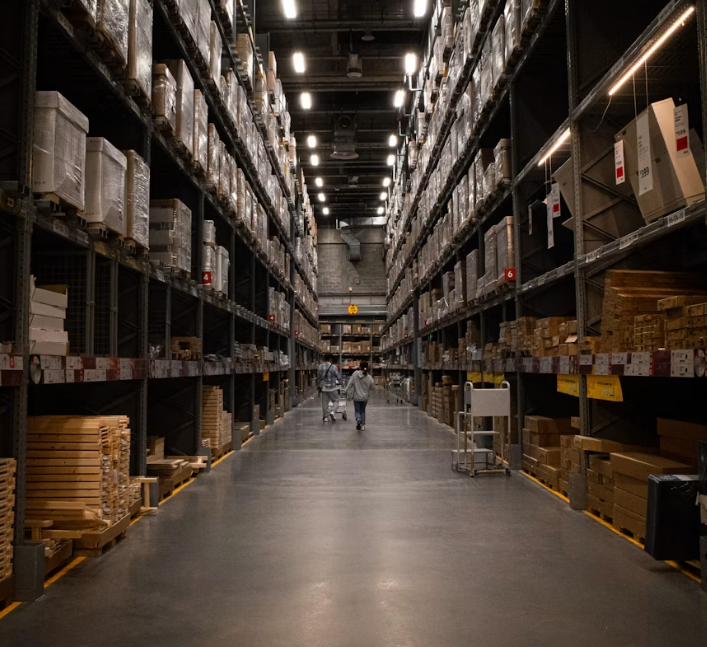
In an industrial facility, flickering high-bay lights indicate an electrical problem. This is an issue that can impact operational uptime and site safety. From our field experience, the root cause is typically one of four things: a heat-stressed LED driver, a degraded HID ballast, significant voltage drop on a long circuit, or a high-resistance connection.
Understanding these culprits helps you diagnose the problem from the floor. In case hands-on wiring repair is needed, leave it to a qualified electrician to ensure safety and code compliance in your facility.
- Licensed & Insured Commercial Electricians
- Serving the Dallas–Fort Worth Metroplex
- Specialists in Industrial Electrical Systems
Quick Answer
Beyond the Bulb: Why Industrial Lighting Repair is a Diagnostic Process
Replacing a broken bulb in a lighting fixture in a 200,000-square-foot distribution center is an exhaustive effort. When that new bulb fails a month later, the problem becomes a recurring operational expense.
This is why warehouse lighting repair must be a diagnostic process. In this case, a failed component may be a symptom of an underlying electrical condition. The cause of a recurring lighting issue may be buried elsewhere in the system, such as overloaded electrical panels, shared circuits, or retrofit components that don’t work well together.
Finding the source of the problem is key to avoiding repeat failures and keeping operations running smoothly.
Common Causes of Warehouse Lighting Failures: Field Observations
These are some of the most common lighting problems our electricians are called out to diagnose.
| Common cause | Section on this page |
|---|---|
| LED Driver Failure | 1. LED Driver Failure |
| Aging Ballasts (HID and Fluorescent Systems) | 2. Aging Ballasts (HID and Fluorescent Systems) |
| Excessive Voltage Drop | 3. Excessive Voltage Drop |
| Loose Connections and High-Resistance Terminations | 4. Loose Connections and High-Resistance Terminations |
| Dimmer and Control System Incompatibility | 5. Dimmer and Control System Incompatibility |
1. LED Driver Failure
In modern LED fixtures, the driver is the most common point of failure. Its power supply converts high-voltage AC to low-voltage DC, making it sensitive to the demanding electrical environment of a warehouse.
- Heat Degradation: Drivers housed in enclosed high-bay fixtures (especially in non-climate-controlled facilities) are subject to heat buildup. Over time, this heat degrades internal electronic components, leading to intermittent flickering and eventual failure.
- Voltage Surges & Sags: When lighting circuits share a panel with equipment like conveyors, compressors, or forklift chargers, the driver is exposed to repeated voltage fluctuations. Each inrush current cycle stresses the driver, shortening its operational lifespan.
- “Popcorning” and Delayed Starts: A common symptom of failing drivers across a circuit is when fixtures turn on at different times after being energized. This indicates widespread component degradation.
- Budget Fixture Issues: Lower-cost fixtures often use undersized drivers with inadequate filtering, making them highly susceptible to failure from the electrical noise common in industrial plants.
2. Aging Ballasts (HID and Fluorescent Systems)
For facilities still running High-Intensity Discharge (HPS, Metal Halide) or T5/T8 fluorescent fixtures, the ballast is the primary suspect.
- Metal Halide Cycling: An aging metal halide ballast can cause the lamp to cycle on and off. The lamp strikes, warms up, and then extinguishes as the ballast can no longer sustain the arc. After cooling, the process repeats.
- Audible Hum or Buzz: As the internal components of magnetic ballasts degrade, they begin to vibrate, creating the characteristic warehouse lights buzzing sound. This indicates the ballast is at the end of its service life.
- Incompatible LED Retrofits: A frequent service call we receive involves facilities that installed ballast-compatible LED tubes in old fluorescent fixtures. The problem is that the original ballast continues to age and fail, causing the new LED tubes to flicker or burn out prematurely. A proper retrofit bypasses the ballast entirely.
3. Excessive Voltage Drop
Voltage drop is a fundamental electrical principle, but it becomes a major issue in large warehouses where the circuit running from the panel can easily exceed 150 to 200 feet.
- Symptoms: Fixtures at the end of a long run will appear dimmer than those closer to the panel. They may also flicker or fail to start at all, especially if they are on a heavily loaded circuit.
- Impact of Inrush Current: The problem is magnified when heavy equipment kicks on. The sudden current draw causes a momentary voltage sag that is often enough to extinguish or destabilize nearby lighting. If equipment operation seems to be one of your warehouse lights flickering causes, voltage drop is a likely culprit.
4. Loose Connections and High-Resistance Terminations
Vibrations from forklifts, machinery, and building movement can cause electrical connections to loosen over time.
- Mechanism of Failure: A loose connection at a fixture, in a junction box, or at the panel breaker creates a point of high resistance. This resistance generates heat, which further degrades the connection, leading to a cycle of increasing heat and resistance.
- Burning Smell: The telltale sign of a high-resistance termination is the smell of burning plastic. This is a fire hazard and requires immediate attention. If you detect this, shut off the affected circuit at the breaker, keep personnel clear of the area, and contact a licensed electrician before restoring power.
5. Dimmer and Control System Incompatibility
Not all LED drivers are compatible with every dimmer switch or building control system. Older dimmers designed for incandescent or fluorescent loads regulate output by rapidly interrupting the circuit, a technique that produces visible strobing and buzzing when paired with mismatched LED drivers. Even switches marketed as LED-compatible can cause performance issues if they are not calibrated to the specific driver’s dimming curve or minimum wattage.
Motion sensors, daylight harvesting controls, and building automation systems that cycle fixtures rapidly without appropriate delay settings produce similar symptoms.
What You Can Safely Check On-Site
In some cases, your maintenance team can handle some tasks that can help diagnose electrical problems later on. Without touching wiring, opening panels, and other internal systems, you can document these parts for industrial lighting repair:
- Failure Pattern: Observe whether the problem is constant or intermittent, which fixtures are affected, and whether it correlates with time of day, ambient temperature, or nearby equipment operation.
- Fixture Information: You should have documents that list your system’s brand, model, approximate installation date, and whether the circuit has been retrofitted at any point.
- Visual Condition: Scorch marks, discoloration on fixture housings, oil staining beneath fluorescent ballasts, cracked lenses, or corroded mounting hardware visible from ground level.
- Control Hardware: Whether affected circuits use dimmers, and if so, whether those dimmers carry a current LED-compatible rating.
- Scope of Impact: A single failing fixture suggests a component fault; multiple fixtures on the same circuit point to a wiring or supply-side issue.
Do not open junction boxes, access fixture wiring compartments, or attempt voltage testing without proper electrical qualification and lockout/tagout compliance.
When To Call a Licensed Commercial Electrician
Contact a qualified commercial lighting repair firm as soon as you observe any of these conditions:
- A circuit breaker tripping repeatedly
- A burning smell
- Visible scorch marks on a fixture, switch, or junction box
- An entire bank of lights flickering or failing simultaneously
- Dimming or flickering lights in sync with the startup of heavy equipment
- Recurring problems with fixtures
Only a licensed electrician should access panels, test voltages, or handle wiring. This is a non-negotiable safety boundary required by NFPA 70E and OSHA.
Need Help in Dallas, Southlake, or Grapevine?
If your facility is in the DFW area, Martin Electrical Systems can assist your team with lighting repair. These details can help our team dispatch and quote more efficiently:
- Photos of the affected fixtures and any visible damage
- Fixture count (how many are failing vs. the total in the area)
- Approximate ceiling height and any access challenges
- Panel and circuit label for the lighting zone, if known
We serve facilities in Southlake, Grapevine, and across the Dallas–Fort Worth Metroplex.
From Repair to Retrofit: A Long-Term Solution
Recurring failures in an aging system may be best addressed with a full commercial lighting retrofit. In some cases, it is the more practical investment over continuous repairs that do not address the root causes of failure.
A well-planned lighting retrofit upgrades aging components throughout the system and ensures the new equipment is matched to the demands of the facility. By addressing recurring lighting issues at their source, a retrofit can also lower energy costs, reduce maintenance requirements, and provide more consistent light levels throughout the workspace.
Schedule Your Warehouse Lighting Assessment
Intermittent and failed lighting is an operational risk that should not be deferred. Martin Electrical Systems provides diagnostics, repair, and retrofit services for industrial and commercial facilities. Our licensed electricians identify the root electrical cause of the failure and provide a clear, written scope of work before any repairs begin.
- Request an Estimate — Submit your project details online for our team to review.
- Call 940 464 3169 to speak directly with our service department.
Our team will review your information, coordinate a site visit, and provide a detailed assessment to restore your lighting system’s reliability.
Safety Disclaimer: All work on commercial and industrial electrical systems must be performed by qualified and licensed electricians in compliance with all applicable codes and lockout/tagout procedures. The voltages and currents present a serious risk of injury or death. If you see signs of overheating or smell burning, de-energize the equipment immediately and contact a professional.
