

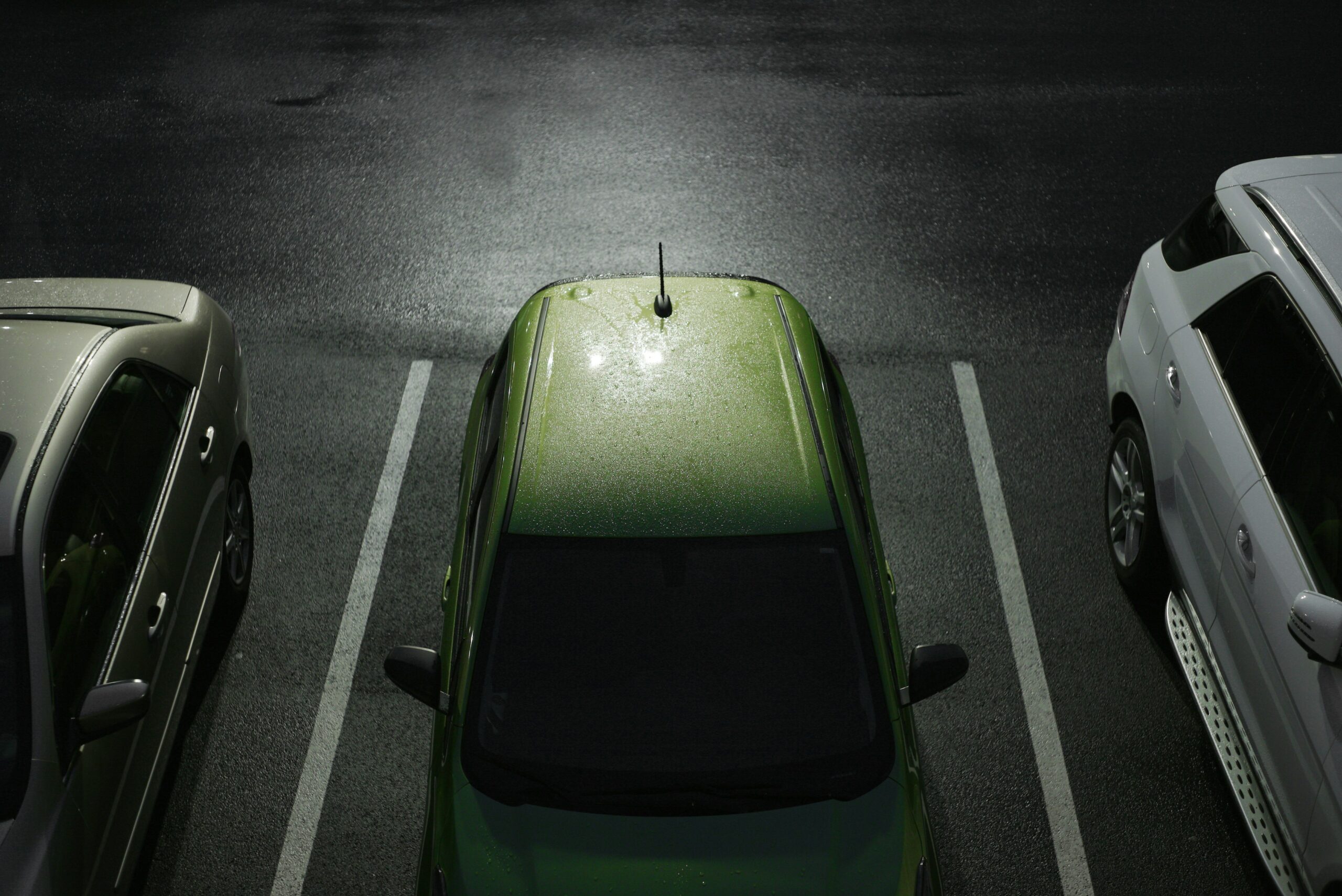
Exterior lighting issues often show up as dark areas, glare, recurring outages, or fixtures that fail when you need them most—creating safety concerns and ongoing maintenance issues. A properly designed and maintained system improves visibility, reduces slip and trip risk, and keeps your property functional and professional after dark.
For facilities managers, the challenge is balancing coverage, glare control, code requirements, and maintenance access while responding quickly to flicker, trips, or repeated failures.
This guide covers practical lighting goals, placement strategies, and troubleshooting basics, along with the information Martin Electrical Systems typically needs to quote repairs or upgrades.
Why Exterior Lighting Matters: Safety, Security, and Operations
Exterior lighting impacts everyone on-site: employees arriving early or leaving late, customers and visitors, delivery drivers, and security teams, all of whom depend on safe, well-lit conditions after dark. When lighting is uneven or unreliable, issues show up quickly: dark corners, harsh glare, camera blind spots, and complaints that “it doesn’t feel safe.”
Well-scoped parking lot lighting and exterior building lighting improvements typically aim to:
- Improve visibility along walking paths, entrances, and loading areas
- Reduce hiding places and shadowed corners around the building
- Support CCTV performance (consistent light helps cameras “see” better)
- Reduce liability risk from poor visibility
- Create a predictable maintenance plan (instead of emergency calls)
Lighting Placement Strategy for Parking Lots and Building Perimeters
Good lighting placement starts with how the site is used at night. A busy warehouse with truck traffic has different needs than an office lot with occasional late departures.
Most exterior layouts prioritize these zones:
Drive Lanes and Parking Rows
The goal is consistent visibility without glare that blinds drivers. Uniformity matters: one bright pole next to dark gaps can feel worse than slightly lower but consistent light.
Pedestrian Routes
Walkways from parking areas to entrances, crosswalks, stairways, ramps, and any changes in elevation need predictable illumination.
Building Perimeter and Entrances
Doors, badge-access points, and corners benefit from clear light to reduce blind spots and improve camera usefulness.
Loading Docks and Service Yards
These areas need task-focused light for safe backing, trailer work, and after-hours loading.
A common mistake is aiming for brightness instead of coverage. Proper placement is about beam patterns, spacing, mounting height, and optics, so light goes where it’s needed and doesn’t spill into windows or create glare.
Code and Compliance Considerations
Exterior lighting can involve code and compliance issues depending on your site and jurisdiction. While requirements vary, projects often need to consider:
- Safe illumination at exits and designated exit pathways
- Reliable operation for after-hours occupancy
- Proper wiring methods and grounding for outdoor environments
- Controls that don’t compromise safety (for example, ensuring lights aren’t off when they must be on)
If your facility has specific security requirements, local ordinances, or dark-sky guidelines, those should be part of the planning conversation early, especially when changing fixture types or adding poles.
Lighting Troubleshooting for Flicker, Trips, and Lighting Outages
When exterior lights fail, the symptom is usually straightforward, but the cause can vary. Effective lighting troubleshooting looks at patterns: is it one fixture, a group on one pole, one circuit, or the whole site?
Here are common symptoms and what they often indicate:
Intermittent Flicker
Frequently tied to failing drivers or ballasts, loose connections, moisture intrusion, or a failing photocell or timeclock. A flicker that worsens in cold weather can point to component end-of-life.
Repeated Breaker Trips
Often caused by water in a fixture, damaged underground wiring, insulation breakdown, or a shorted driver. Trips that happen during rain are a major clue.
Partial or Recurring Lighting Outages
If the same area keeps going dark, the issue may be upstream (contactor/photocell/control), a shared circuit problem, or deterioration in wiring or connections, especially in older pole bases or handholes.
One Pole Out vs. Multiple Pole Outages
A single pole issue often points to the fixture, wiring in the pole, or pole base connections. Multiple pole outages can indicate a control device failure, a circuit problem, or a distribution issue.
Because exterior circuits are exposed to weather, vibration, and temperature swings, a simple outage can be a sign of a developing electrical reliability problem.
Planning for Maintenance: Access, Scheduling, and Long-Term Reliability
Exterior lighting maintenance often requires elevated access equipment. For example, replacing a fixture on a 25–35 ft pole typically requires a bucket truck or lift, safe staging space, and coordination to avoid blocking traffic.
When planning upgrades or ongoing service, it helps to consider:
- Pole condition, anchor bolts, and base corrosion (especially in older lots)
- Fixture standardization (fewer fixture types = easier spares and faster repairs)
- Control strategy (photocells, time clocks, or centralized controls) and where those controls are located
- Operating hours and how quickly failures must be addressed (security-sensitive sites may require same-day response)
A proactive approach reduces emergency calls and helps you budget lighting costs instead of reacting to outages.
Information Needed for a Quote (Repairs or Upgrades)
To quote parking lot lighting or exterior building lighting work accurately, whether it’s service/repair or a full upgrade, Martin Electrical Systems typically needs:
- Pole Counts and Locations
- Number of poles (or wall-mounted fixtures)
- Approximate pole heights (if known)
- Any poles that are visibly leaning, rusted, or damaged
- Fixture Types and Symptoms
- Fixture type (LED shoebox, wall pack, flood, canopy, etc.)
- What’s happening: flicker, out completely, dim, cycling on and off, or tripping breakers
- Whether outages are isolated or affect multiple fixtures
- Access and Site Constraints
- Is there room for a bucket truck or lift?
- Any obstacles (landscaping, tight lanes, parked trailers, and overhead lines)
- Preferred service times (after hours, weekends, and shutdown windows)
- Operating hours and control method
- Typical on/off schedule
- Current controls: photocells, timers, building automation, manual switches
If you can provide photos (fixtures, pole labels, and the affected areas at night if possible), it often speeds up diagnosis and reduces back-and-forth.
Exterior Lighting That’s Secure, Serviceable, and Predictable
Effective exterior lighting is a combination of smart lighting placement, dependable controls, and a maintenance plan that accounts for access and operating hours. Whether you’re dealing with immediate lighting outages or planning a site-wide upgrade, the right approach improves safety, supports security, and reduces long-term headaches.
If you’re ready for a walkthrough or estimate, Martin Electrical Systems can evaluate your parking areas and building perimeter, identify likely failure points, and recommend a repair or upgrade plan built around security goals and serviceability, so you get reliable light where it matters most.
