

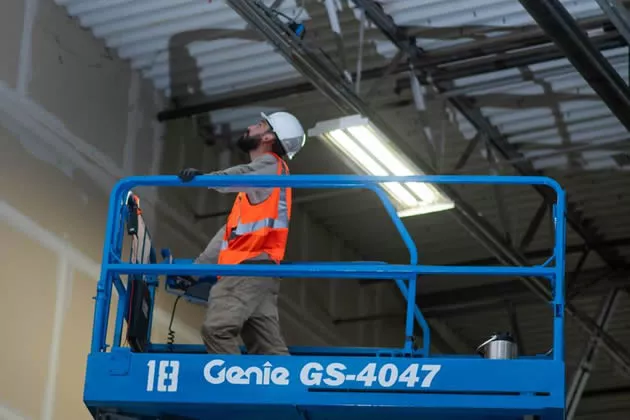
Electrical emergencies in commercial buildings don’t always happen at a convenient time. They can occur during peak business hours, outside of regular hours, or right before an important event. When the lights go out, equipment shuts down, or panels start overheating, your first call should be to an emergency commercial electrician.
Understanding the first steps of emergency electrical work can help you respond calmly, ensure the safety of those on the premises, and minimize disruption to your operations.
Step 1: Immediate Assessment Over the Phone
Before arriving on site, an emergency commercial electrician will usually gather key details over the phone:
- What is happening?
- When did the issue start?
- Is there a burning smell or visible smoke?
- Has a breaker tripped?
- Is the entire building affected or just one area?
- Has any recent electrical work been performed?
This helps determine the urgency level and ensures the technician arrives prepared with the right tools and equipment.
Step 2: Ensuring Safety on Arrival
When the electrician arrives, safety is the priority. Emergency electrical work can involve exposed wiring, overloaded panels, or potential fire risks.
The technician will:
- Identify immediate hazards, such as fire risks
- Confirm whether power needs to be shut down
- Secure the affected area, which may include evacuating people from the area
- Follow lockout and tagout procedures if required
If there is any indication of fire risk or severe overheating, addressing that hazard takes priority over restoring power. Protecting occupants and property always comes first before troubleshooting electrical issues.
Step 3: Identifying the Problem
Once the site is secure, the electrician determines the extent of the issue.
They will assess:
- Whether the outage affects the whole building or specific circuits
- The condition of the main service panel
- The status of subpanels and distribution equipment
- Any visible signs of damage
Understanding the scope prevents unnecessary repairs and focuses attention on the root cause, not just the visible symptoms.
Step 4: Diagnosing the Root Cause
While commercial facilities want to resume operations as soon as possible, it’s not always wise to restore power without addressing the cause. Resetting a tripped breaker without understanding why it tripped can lead to the same issue recurring later. This can also lead to further damage to your system and equipment.
Common causes of commercial electrical service emergencies include:
- Overloaded circuits
- Faulty breakers
- Damaged wiring
- Equipment failure
- Water intrusion
- Utility supply issues
An emergency commercial electrician can determine the root cause using voltage testing, thermal imaging, and circuit tracing. From there, they can take the next steps to address it.
Step 5: Stabilizing and Restoring Power
Once the issue is identified, the immediate goal is to stabilize your system. In some cases, temporary electrical solutions can be implemented to restore critical systems while a permanent repair is scheduled. The objective is to restore essential functions while ensuring the system remains stable.
Depending on the issue, some ways to restore power can involve:
- Isolating a damaged circuit
- Replacing a failed breaker
- Re-terminating loose wiring
- Redirecting power temporarily
Step 6: Recommending Permanent Repairs
After immediate concerns are addressed, your electrician will outline the next steps to reinforce your system against repeat issues. This may include:
- Panel upgrades
- Circuit redistribution
- Equipment replacement
- Surge protection improvements
- Ongoing maintenance recommendations
Your electrician can provide more information to help you understand the cause of the emergency and how to prevent it from happening again.
Why You Need a Reliable Emergency Electrical Process
Many commercial establishments may view electrical emergencies solely as problems to be resolved by restoring power as quickly as possible. However, skipping safety checks or failing to identify the true cause can lead to repeat failures or more serious damage.
Following a structured approach ensures that:
- Occupants remain safe from potential electrical hazards.
- Equipment is protected from electrical failures.
- Repairs are accurately targeted towards the underlying cause.
- Future disruptions are minimized.
When To Call an Emergency Commercial Electrician
Not every electrical issue is an emergency, but certain warning signs require immediate attention:
- Burning smells
- Repeated breaker trips
- Partial or total power loss
- Flickering lights across multiple areas
- Water exposure near electrical components
- Visible sparks or smoke
In these cases, contacting a professional experienced in commercial electrical service is the safest course of action.
Fast, Reliable Emergency Electrical Support
Electrical emergencies in commercial buildings demand quick action and experienced troubleshooting. Having access to a trusted emergency commercial electrician ensures problems are handled safely and professionally.
At Martin Electrical Systems, we provide responsive commercial electrical service and emergency electrical work for businesses. If your building is experiencing an urgent electrical issue, contact us immediately to restore safety, stability, and reliable power.
